After the Midterms: Voters Rewrite the Rules for Data Centers
Voters backed limits in 40 of 41 local data center measures on Nov. 3, elected moratorium-friendly governors in Texas, Ohio, and Georgia, and shifted utility commissions. Here's what changes for cities.
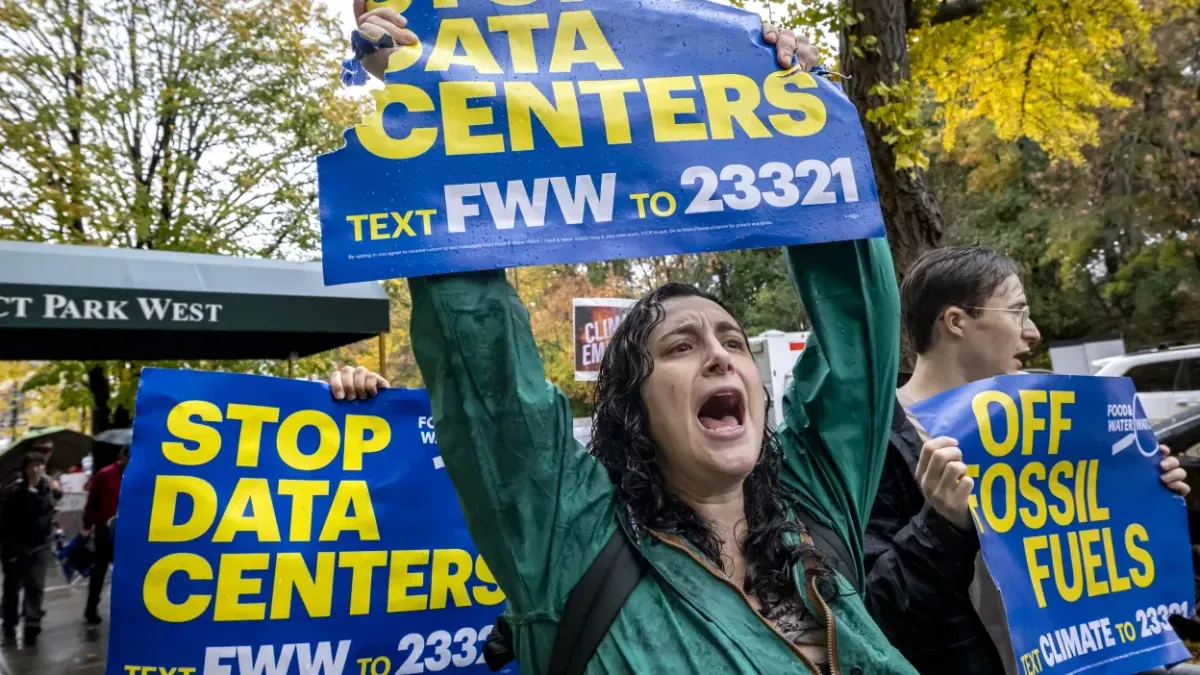
On November 3, voters delivered the clearest verdict yet on the data center boom. From statewide races to village referendums, ballots across the country favored candidates and measures that slow, condition, or stop new hyperscale development. For municipalities weighing a site, the rules of the game changed last week.
Local ballots: 40 of 41
According to Ballotpedia, voters favored limiting data center development in 40 of 41 local contests. The approved measures included five full bans (California, Florida, and three in Ohio), twelve partial bans, three six-month moratoriums in Maine, new zoning requirements, and voter-approval triggers. Voters also defeated 13 measures that would have favored development, including four rezonings in Wilmington, Ohio, and a land-use change in Boulder City, Nevada.
Several measures read like policy templates. Grove City, Ohio's Issue 28 now requires voter approval for projects using more than 50 acres, 20 megawatts, or 500,000 gallons of water a day, with enforceable community-impact standards. Perry, Ohio's Issue 16 requires hyperscale developers who seek tax incentives to post financial guarantees to the community.
Statehouses: moratoriums move to the governor's office
Democratic candidates who ran on moratoriums or tighter rules won in states that had courted development, as Octus reports:
- Texas: Gina Hinojosa campaigned on a statewide moratorium until the Legislature passes ratepayer protections and ends data center subsidies. A blanket pause would likely face legal challenges, but the governor has real leverage over permitting and ERCOT interconnection, building on the interconnection-queue audit ordered in September.
- Ohio: Amy Acton's conditional moratorium would block new projects unless they cover gas, water, electricity, and infrastructure costs, sign community benefit agreements, and operate without nondisclosure agreements.
- Georgia: Keisha Lance Bottoms supports a temporary pause while the state builds a framework for grid strain, public health, and utility bills.
Utility Regulators – the quiet power shift
The most consequential results may be at public utility commissions. Georgia voters gave Democrats a Public Service Commission majority for the first time in decades, the body that approves Georgia Power's investments to serve large loads. In Arizona, candidates who ran on making data centers cover their own costs held leads, and in Louisiana, Republicans who won seats, including in the district hosting Meta's planned 5-gigawatt campus, ran on utility transparency (Energy Central). As one analyst put it, voters "agree on the goal, and split on who should enforce it."
What this means for Cities and Counties
The message isn't "no data centers." It is "not on our tab." Communities want large-load projects to pay their full grid and water costs, disclose their footprint, and earn local consent. For municipal leaders, three things follow:
- Write the conditions before the application arrives. Power, water, and acreage thresholds that trigger review or a public vote are now proven at the ballot box.
- Price the externalities. Financial guarantees, cost-causation tariffs, and community benefit agreements are becoming baseline expectations, not concessions.
- Demand transparency. NDAs and undisclosed end users are a political liability; voters punished them.
The build-out will continue, but on new terms. Where compute does get built, the public will expect to see what it costs, who pays, and who benefits. That is the accountability COFAIR is built around.