Navigating Data Center Proposals: Community Approaches to Dialogue and Policy
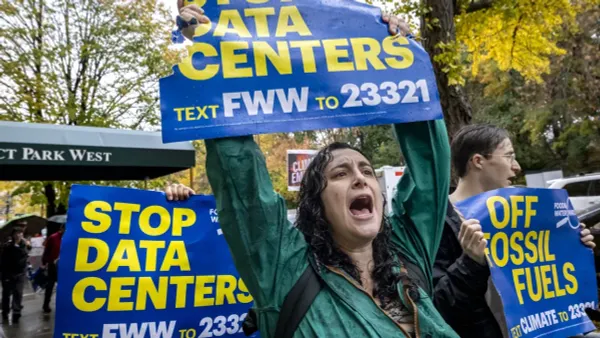
Aurora, Colorado, recently approved a temporary moratorium on new data center projects after a significant development was abandoned. This decision reflects a growing national trend where communities are re-evaluating the balance between economic benefits and environmental and quality-of-life impact

Officials in Aurora, Colorado, unanimously approved a partial moratorium on new data center developments following the abandonment of the controversial Trident Project by Vantage Data Centers. This decision came after weeks of resident opposition, who raised concerns about noise pollution, air quality, and the use of backup diesel generators for the proposed 861,866-square-foot facility (Newsweek).
"Trident just announced they have abandoned the site next to your neighborhood for the data center," Aurora City Attorney Peter Schulte told residents during the council meeting.
The Aurora City Council's partial moratorium immediately halted new data center development in specific areas of south and west Aurora, with the pause expected to last through September. Vantage Data Centers stated they would no longer pursue the Windler site and were exploring alternative locations, responding to community concerns (Newsweek).
Strategies from Companion Communities
Other communities have adopted similar strategies or are in the process of considering them:
- New York, NY: Governor Kathy Hochul issued an executive order pausing certain state environmental permits for new data centers to study their effects on energy demand and water use. However, this order exempts facilities primarily used for research or education, such as the Empire AI data center at the University at Buffalo. This facility plans to use clean hydropower and recover heat to warm campus buildings (Construction Dive).
- Oakland, CA: Following a 45-day moratorium in early October, the Oakland City Council approved a 10-month extension. This action was influenced by activist groups and resident opposition to potential AI facilities. Other Bay Area cities, including San Jose, Oakley, Gilroy, San Francisco, and Richmond, have also enacted data center moratoriums (East Bay Times).
- Dublin, CA: Despite having no current data centers or proposals, Dublin's Vice Mayor Jean Josey proposed a temporary moratorium to proactively address potential future developments. This move aims to prevent situations where the city might face lawsuits for rejecting proposals and to allow time to establish specific zoning regulations for these facilities. Residents expressed strong opposition to data centers, citing concerns about noise, limited job creation, and strain on power and water resources (East Bay Times).
- Augusta Township, MI: Officials are considering a six-month pause on data center proposals after a controversial hyperscale project near Milan stirred significant community opposition. A public hearing was held on a proposed temporary moratorium for facilities demanding high levels of water, power, and sewer services. This discussion follows a successful August primary vote where nearly 90% of township voters overturned a previous rezoning decision connected to a data center project. The planning commission is working on drafting local rules for data centers, covering aspects like applications, operations, and decommissioning, including setbacks and limits for noise and vibrations (mlive).
What Remains Undecided
The long-term approaches to data center development remain a subject of ongoing discussion and policy formation across various communities. In Aurora, it is yet to be determined whether a full moratorium will be pursued in the future (Newsweek). In Augusta Township, the planning commission has not yet voted on a recommendation for a moratorium to the Board of Trustees, and the final ordinance details are still under review (mlive). The debate often centers on balancing the potential economic benefits, such as tax revenue and job creation, against concerns regarding electricity demand, water use, noise, and environmental impacts (Newsweek). Some argue that innovation, such as closed-loop cooling systems and heat recovery, can mitigate environmental concerns, while others emphasize the need for local control and careful consideration of community impact (Post and Courier).